


Foreign LLC Registration for US Companies
Foreign LLC Registration for US Companies is a critical compliance step for businesses expanding operations across state lines in the United States. Whether you’re opening a new office, hiring employees, or conducting regular business in another state, understanding foreign LLC registration is essential to avoid penalties, legal issues, and tax complications.
This complete guide explains everything—from definitions and legal concepts to step-by-step registration, real-world examples, compliance requirements, and best practices.
Table of Contents
- Introduction
- What Is Foreign LLC Registration for US Companies?
- Why Foreign LLC Registration Matters
- How Foreign LLC Registration Works (Step-by-Step Guide)
- Legal, Accounting & Compliance Considerations
- Business Impact & Reporting Implications
- Detailed Examples & Mini Case Studies
- Industry-Specific Scenarios
- Common Mistakes & How to Fix Them
- Best Practices & Strategic Tips
- Tools, Software & Resources
- FAQs on Foreign LLC Registration for US Companies
- Conclusion & Actionable CTA
Introduction
Expanding a business beyond its home state is a major milestone—but it comes with regulatory responsibilities. Foreign LLC Registration for US Companies ensures that your Limited Liability Company remains legally authorized to operate when it does business in states other than where it was originally formed.
Many business owners mistakenly assume that registering an LLC in one state allows unrestricted operation nationwide. In reality, each state maintains its own rules, filing requirements, and compliance obligations.
This guide breaks down foreign LLC registration in a simple, practical, and business-focused way.
What Is Foreign LLC Registration for US Companies?
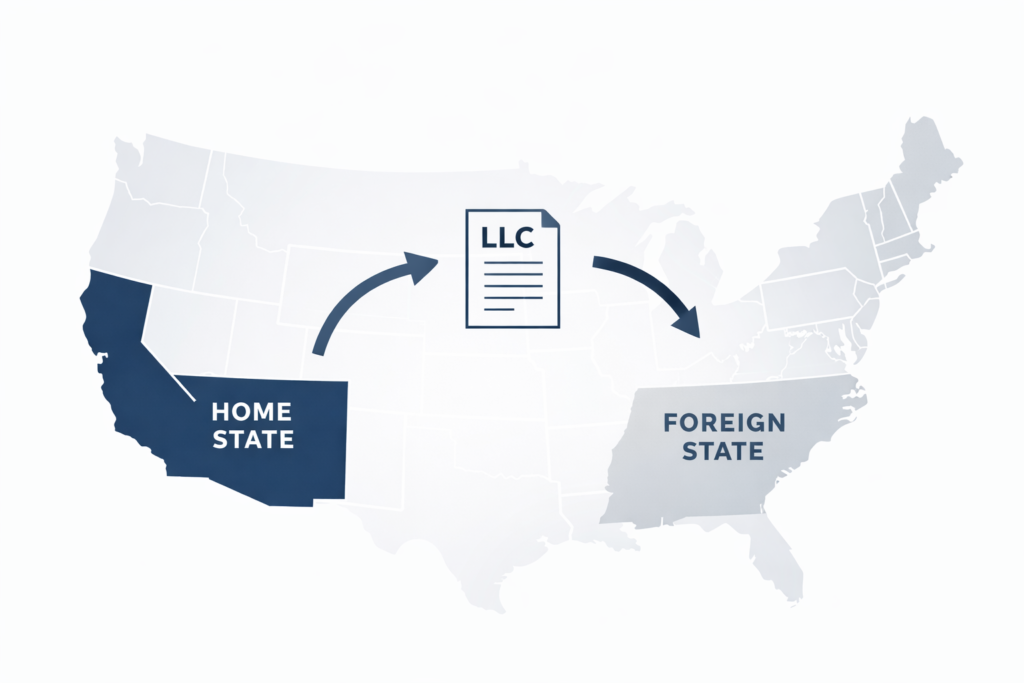
Foreign LLC registration is the process of legally authorizing an LLC formed in one U.S. state (the “home” or “domestic” state) to operate in another U.S. state (the “foreign” state).
Key Clarification
- “Foreign” does NOT mean international
- It simply means out-of-state
For example:
- An LLC formed in Wyoming operating in California
- A Delaware LLC doing business in Texas
In both cases, the LLC must register as a foreign LLC in the new state.
Why Foreign LLC Registration Matters

1. Legal Compliance
States require registration to:
- Track business activity
- Enforce tax laws
- Protect consumers
- Ensure accountability
Operating without registration may result in fines or forced shutdowns.
2. Limited Liability Protection
Failure to register can:
- Void your LLC’s legal standing
- Expose owners to personal liability
- Prevent access to state courts
3. Tax & Reporting Obligations
Foreign registration triggers:
- State income tax
- Franchise tax
- Annual report filings
Ignoring these obligations can lead to severe penalties.
How Foreign LLC Registration Works (Step-by-Step Guide)
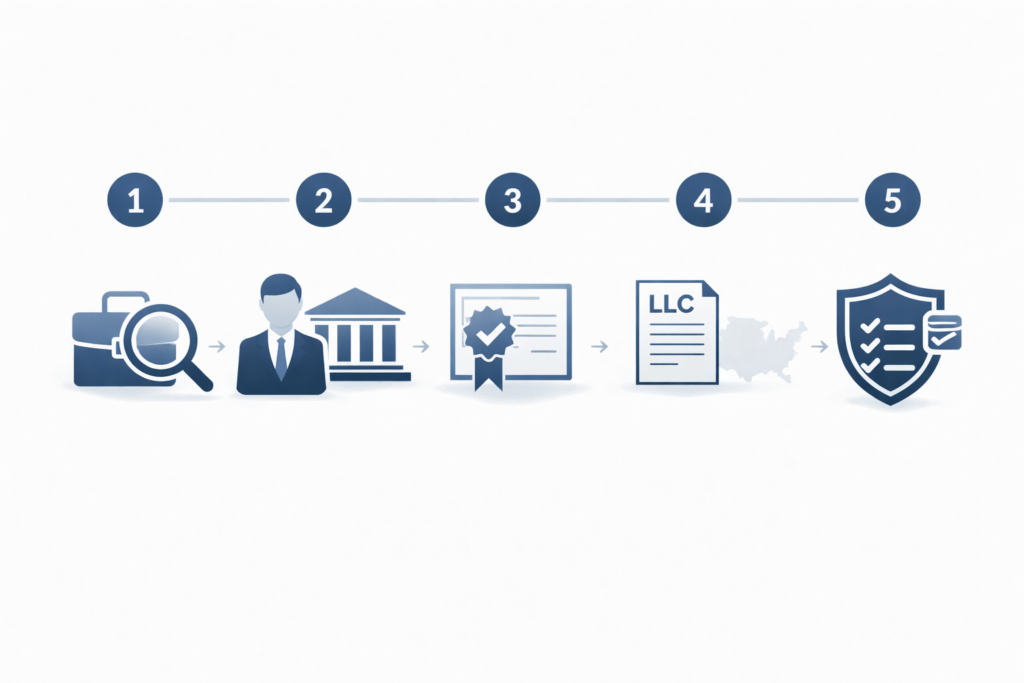
Step 1: Determine If You’re “Doing Business” in Another State
Each state defines this differently, but common triggers include:
- Physical office or warehouse
- Employees or contractors
- Regular sales or services
- Owning income-producing property
Occasional or isolated transactions usually do NOT require registration.
Step 2: Choose a Registered Agent
Every foreign LLC must appoint a registered agent in the foreign state to:
- Receive legal documents
- Accept government notices
- Ensure compliance communication
👉 Learn more about registered agent requirements
Step 3: Obtain a Certificate of Good Standing
Issued by your home state, this certificate proves:
- Your LLC is active
- All filings are current
- Taxes are paid
Most states require it to be dated within 30–60 days.
Step 4: File the Application for Foreign Registration
This filing typically includes:
- LLC name (or DBA if name is unavailable)
- Home state
- Formation date
- Principal business address
- Registered agent details
Filing fees range from $50 to $750, depending on the state.
Step 5: Comply With State-Specific Requirements
Legal, Accounting & Compliance Considerations
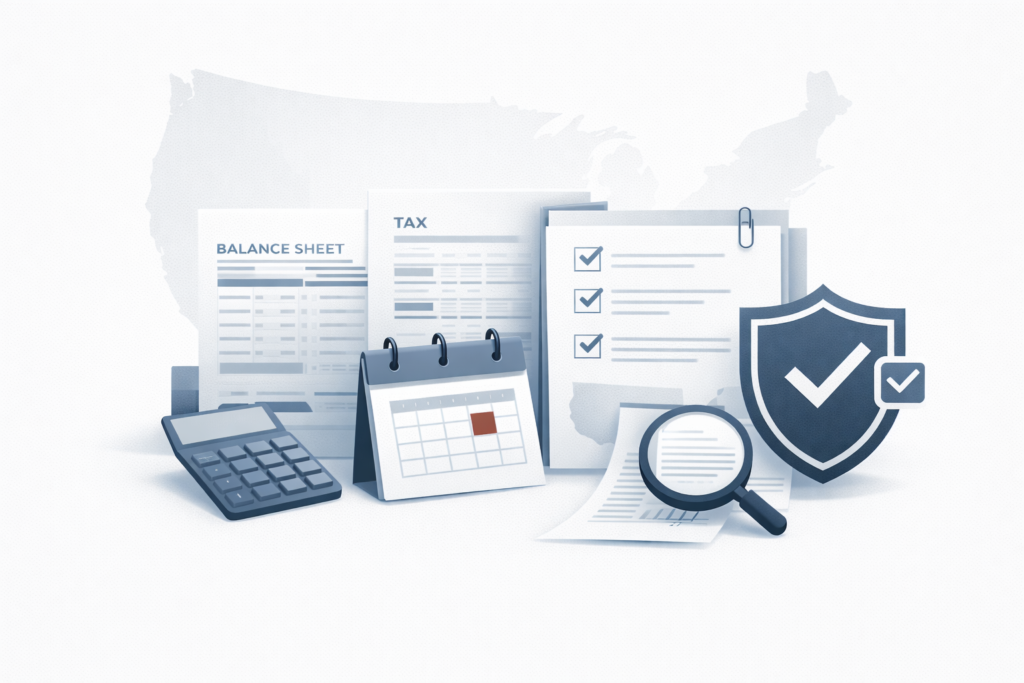
Accounting Implications
Foreign registration affects:
- Multi-state tax nexus
- Apportionment of income
- Payroll taxes
- Sales tax obligations
Businesses may need:
- Separate state bookkeeping
- CPA guidance on allocation
Compliance Reporting
After registration, you must:
- File annual or biennial reports
- Maintain registered agent services
- Renew licenses
- Pay franchise or privilege taxes
👉 Annual compliance requirements for LLCs
Business Impact & Reporting Implications

Foreign registration allows:
- Legal hiring in new states
- Opening bank accounts
- Signing enforceable contracts
- Securing local clients
Without it, companies risk:
- Inability to sue
- Contract invalidation
- Back taxes and penalties
Detailed Examples & Mini Case Studies

Case Study 1: Delaware LLC Expanding to California
A SaaS startup incorporated in Delaware hires engineers in California.
Trigger: Employees in California
Solution: Foreign LLC registration in CA
Outcome: Legal payroll, tax compliance, growth stability
Case Study 2: Wyoming LLC Operating Amazon FBA
A Wyoming LLC uses Amazon warehouses in Texas.
Trigger: Inventory stored in Texas
Solution: Foreign registration in TX
Outcome: Sales tax compliance and risk mitigation
Industry-Specific Scenarios

E-Commerce Businesses
Triggers include:
- Fulfillment centers
- Drop-shipping warehouses
- Local returns addresses
Consulting & Service Providers
Triggers include:
- Client offices
- Long-term on-site work
- Local contractors
Real Estate LLCs
Triggers include:
- Owning rental property
- Collecting in-state rent
Almost always requires foreign registration.
Common Mistakes & How to Fix Them

Mistake 1: Assuming Online Businesses Don’t Need Registration
Fix: Evaluate physical and economic nexus
Mistake 2: Using the Same Name Without Checking Availability
Fix: Register a DBA if name is taken
Mistake 3: Ignoring Ongoing Compliance
Fix: Track deadlines with compliance tools
Best Practices & Strategic Tips

- Register before starting operations
- Use professional registered agent services
- Maintain a compliance calendar
- Consult tax professionals for multi-state filings
- Keep documents organized digitally
👉 Multi-state LLC compliance checklist
Tools, Software & Resources
State Secretary of State websites
Registered agent service providers
Compliance management platforms
Accounting software with multi-state support
Is foreign LLC registration mandatory?
Yes, if your LLC is considered “doing business” in another state.
How long does foreign LLC registration take?
Anywhere from 2 days to 4 weeks, depending on state processing times.
Can I operate before approval?
No. Operating before approval can result in penalties.
Do I need a new EIN?
No. Your existing EIN remains valid.
What happens if I don’t register?
Fines, loss of legal rights, back taxes, and compliance penalties.
Do I pay taxes in both states?
Often yes, depending on nexus and income allocation.

Conclusion & Actionable CTA
Foreign expansion creates opportunity—but only when done legally. Foreign LLC Registration for US Companies is not optional when operating across state lines. It protects your business, preserves liability protection, and ensures long-term scalability.
If you’re planning to expand—or already operating in another state—now is the time to act.


Permalink